
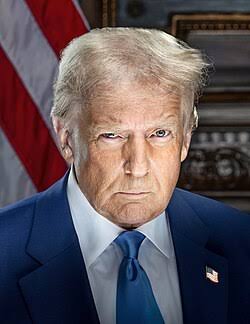
Trump tariffs pharmaceuticals, exempting companies with US sites, aim to boost domestic production and impact global market dynamics.
• Trump announces 100% tariffs on branded pharmaceuticals.
• Exemptions for companies with US manufacturing sites.
• Aims to boost domestic production and impact global market.
President Donald Trump has announced the imposition of a 100% tariff on branded or patented pharmaceuticals, a move aimed at encouraging domestic production and reducing reliance on foreign imports. Companies that have already broken ground or begun construction on manufacturing sites within the United States will be exempt from these tariffs. This decision is part of a broader strategy to bolster the US pharmaceutical manufacturing sector and address trade imbalances.
The announcement, detailed in a recent report, highlights the administration’s focus on strengthening the domestic supply chain for critical medications. By imposing these tariffs, the government seeks to incentivize pharmaceutical companies to invest in US-based facilities, thereby creating jobs and enhancing national security. The exemption for companies with ongoing construction projects is intended to reward those who have already committed to expanding their US operations.
The impact of these tariffs on the global pharmaceutical market could be significant. Many multinational companies rely on international manufacturing sites to produce branded drugs, and the new tariffs may lead to increased costs for these firms. Consequently, this could result in higher prices for consumers or a shift in production strategies to mitigate tariff-related expenses. Analysts predict that the policy could accelerate the trend of reshoring pharmaceutical manufacturing to the United States, a move that has been gaining momentum in recent years.
Moreover, the tariffs are expected to influence competitive dynamics within the industry. Companies with existing or planned US facilities may gain a competitive edge over those that rely heavily on imports. This could lead to strategic realignments as firms evaluate their supply chains and consider new investments in domestic infrastructure. The policy aligns with broader efforts to reduce dependency on foreign sources for essential goods, a priority underscored by recent global supply chain disruptions.
Looking ahead, the long-term effects of these tariffs will depend on how companies adapt to the new regulatory environment. Some may choose to absorb the additional costs, while others might pass them on to consumers or seek alternative supply chain solutions. The administration’s approach reflects a growing emphasis on economic nationalism and self-sufficiency in critical industries. For more insights into these developments, visit our Insights section.