
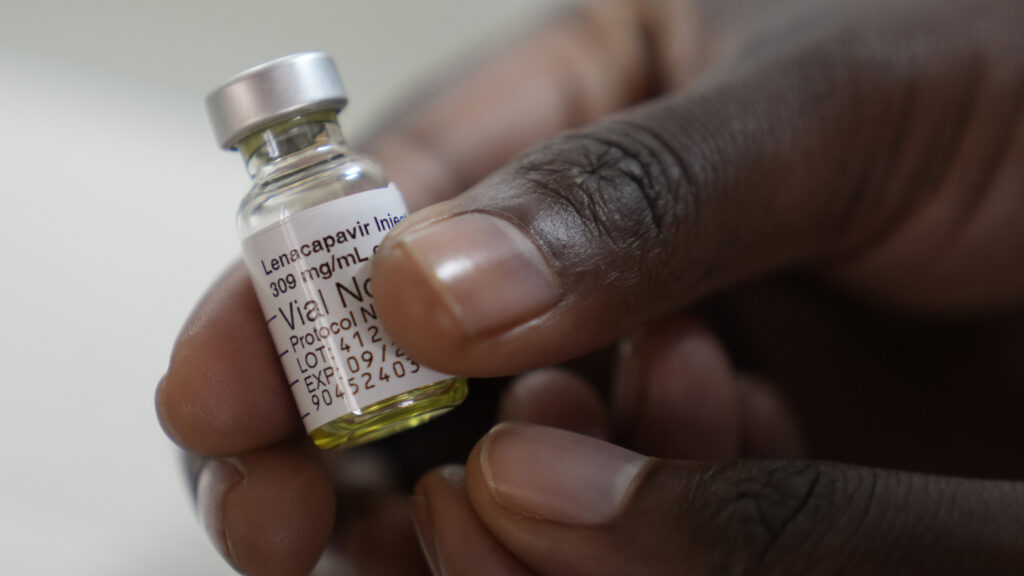
South Africa compulsory license urged for HIV drug to enhance access and support WHO goals.
• Advocates urge South Africa for HIV drug license.
• License could impact over 7 million people in South Africa.
• WHO aims to eradicate HIV by 2030.
Advocacy Push for Licensing
Patient advocacy groups are urging the South African government to issue a compulsory license for a groundbreaking HIV prevention drug. This call comes after the Trump administration excluded South Africa from a new program aimed at distributing the drug to poorer countries. The advocates argue that this decision could significantly hinder efforts to combat HIV in South Africa, where over 7 million people are living with the virus. The exclusion also poses a challenge to the World Health Organization’s (WHO) campaign to eradicate HIV by 2030. Yvette Raphael, co-founder of Advocacy for Prevention of HIV and AIDS, emphasized the importance of including South Africa in global HIV prevention efforts.
Global Distribution Challenges
The appeal follows a recent announcement by the U.S. Department of State that 1,000 doses of the Gilead Sciences medication were delivered to Zambia and Eswatini. This delivery is part of a plan initiated last year by The Global Fund to Fight AIDS, Tuberculosis, and Malaria. However, South Africa’s exclusion from this initiative has raised concerns among health advocates. They argue that without access to this medication, South Africa’s fight against HIV could be severely compromised. The country has one of the highest rates of HIV prevalence in the world, making access to effective prevention measures crucial.
Implications for Public Health
Issuing a compulsory license would allow South Africa to produce or import generic versions of the drug, potentially lowering costs and increasing accessibility. This move could significantly impact public health outcomes in the region. Moreover, it aligns with WHO’s goal of eradicating HIV by 2030. The decision to exclude South Africa from the distribution program has been met with criticism from various quarters, highlighting the need for equitable access to life-saving medications.
Market and Financial Considerations
The potential issuance of a compulsory license could have financial implications for Gilead Sciences. While the company has not disclosed specific financial details related to this situation, compulsory licensing can affect market dynamics and revenue streams. However, it also presents an opportunity for Gilead to demonstrate corporate responsibility by supporting global health initiatives. The pharmaceutical industry is closely watching this development, as it may set a precedent for future cases involving access to essential medicines.
For more updates on Market Access, visit our Market Access section.