
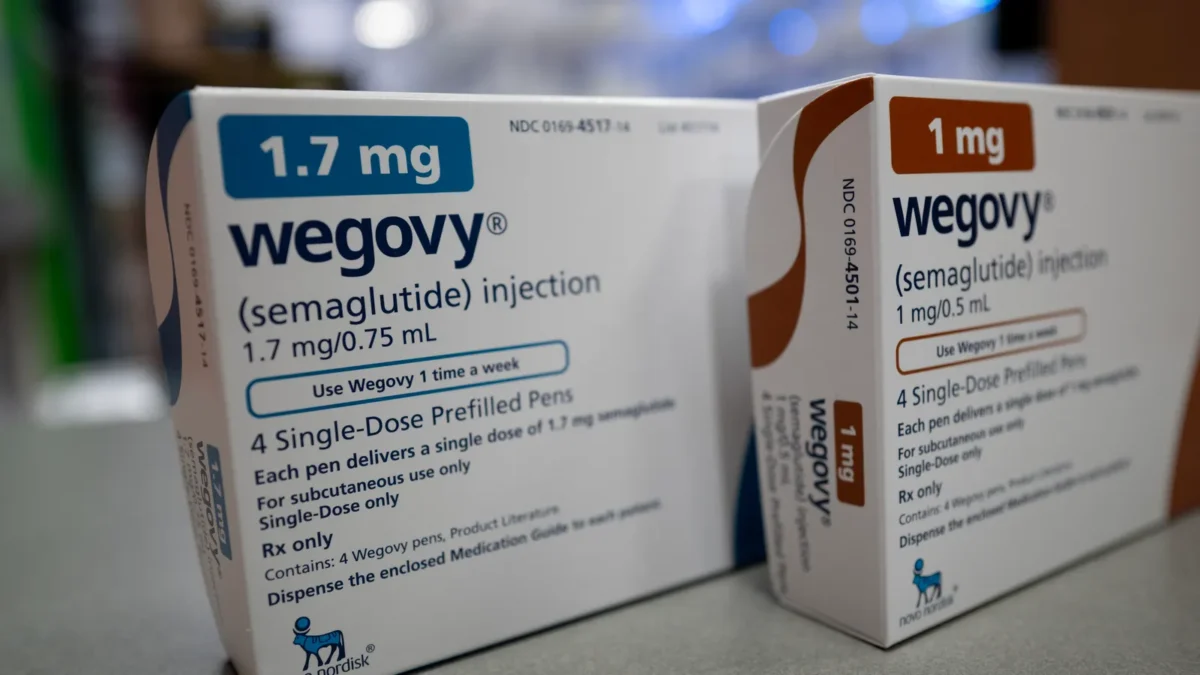
Medicare price negotiation reduces costs by 44% for Wegovy, Trelegy, and 13 other drugs by 2027.
• CMS sets new prices for Wegovy, Trelegy, and 13 drugs.
• Prices cut by 44% from 2024 list prices.
• Affects Medicare spending and patient access.
Strategic Shift
The Centers for Medicare & Medicaid Services (CMS) has announced new pricing for Wegovy, Trelegy, and 13 other drugs, effective in 2027. This decision is part of the second round of Medicare price negotiations aimed at reducing healthcare costs. The new prices reflect a significant reduction of 44% from the 2024 list prices. This move is expected to have a substantial impact on Medicare spending and patient access to these medications. For more details, visit the source article.
Market Context
The Medicare price negotiation process is a critical component of the federal government’s strategy to control rising drug costs. By negotiating prices directly with pharmaceutical companies, CMS aims to make essential medications more affordable for Medicare beneficiaries. The inclusion of popular drugs like Wegovy and Trelegy highlights the government’s focus on high-cost treatments that significantly impact the healthcare budget. The price reductions are expected to save billions in Medicare spending over the coming years.
Pipeline Expansion
Wegovy, a weight management drug, and Trelegy, used for chronic obstructive pulmonary disease (COPD), are among the most prescribed medications in their respective categories. The price cuts could lead to increased accessibility for patients who rely on these treatments. Additionally, the negotiations may encourage pharmaceutical companies to expand their pipelines with more cost-effective therapies. This could foster innovation and competition in the market, ultimately benefiting patients.
Financial Considerations
The financial implications of the Medicare price negotiation are significant. Pharmaceutical companies may experience reduced revenue from these drugs due to the lower prices. However, the increased volume of prescriptions resulting from improved affordability could offset some of these losses. Analysts predict that the overall impact on the pharmaceutical industry will depend on how companies adapt their pricing strategies and product offerings in response to these changes.
Regulatory Pathway
The regulatory framework for Medicare price negotiation is evolving. The CMS’s ability to negotiate drug prices marks a departure from previous policies that limited such interventions. This shift reflects a growing recognition of the need for government involvement in controlling drug costs. As the regulatory landscape continues to change, stakeholders will need to navigate new challenges and opportunities in the healthcare market.
Competitive Dynamics
The inclusion of Wegovy and Trelegy in the Medicare price negotiation process underscores the competitive dynamics within the pharmaceutical industry. Companies with similar products may face pressure to adjust their pricing strategies to remain competitive. This could lead to a broader trend of price reductions across the industry as companies seek to maintain market share.
Patient Impact
The impact of Medicare price negotiation on patients is expected to be positive. Lower drug prices will likely improve access to essential medications for Medicare beneficiaries, many of whom are on fixed incomes. This could lead to better health outcomes and reduced financial strain for patients managing chronic conditions.
For more updates on Market Access, visit our Market Access section.