
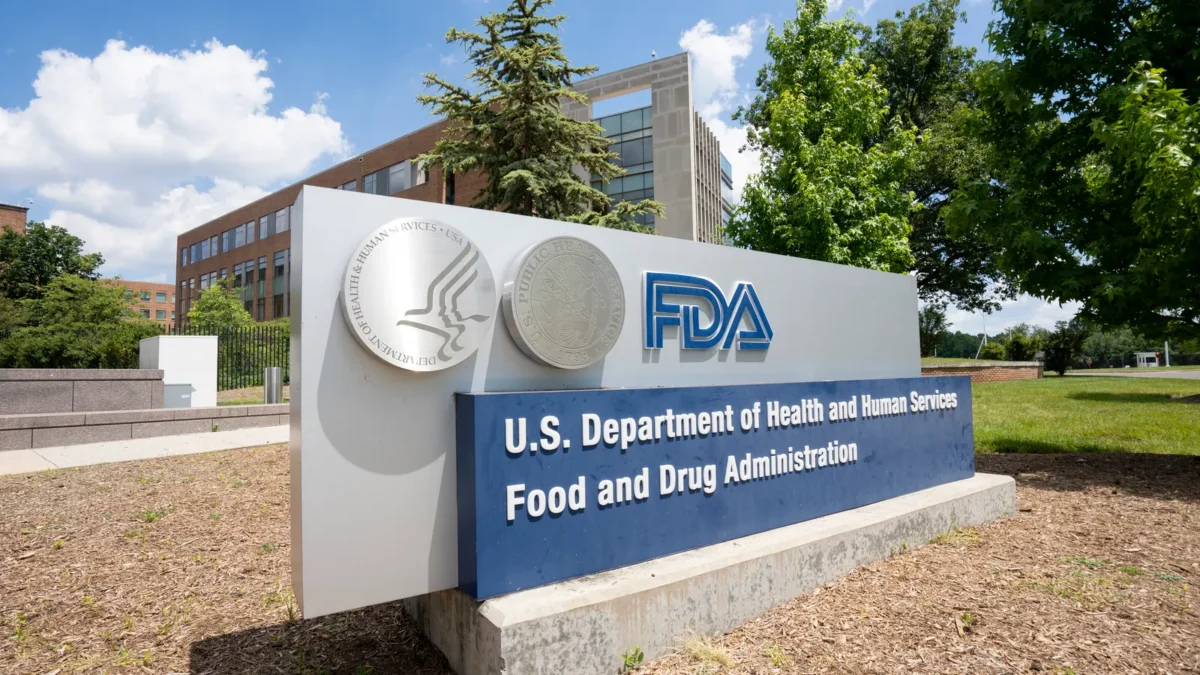
FDA animal testing guidance reduces non-human primate use, aiding U.S. drugmakers amid global competition.
• FDA issues draft guidance reducing non-human primate tests.
• Guidance impacts monoclonal antibody drug development.
• Aligns with global trends and supports U.S. drugmakers.
Regulatory Shift
The U.S. Food and Drug Administration (FDA) has issued a draft guidance aimed at reducing the use of non-human primates in the testing of monoclonal antibody drugs. This move comes as part of a broader effort to streamline drug development processes and align with global regulatory trends. The guidance, released on 10 September 2025, is expected to significantly impact U.S. drugmakers, who are facing increasing competition from their counterparts in China. For more details, visit the source article.
Impact on Drug Development
The FDA’s new guidance specifically targets the development of monoclonal antibodies, a rapidly growing segment in the pharmaceutical industry. By reducing the reliance on non-human primates, the FDA aims to lower costs and accelerate timelines for drug development. This is particularly important as the global market for monoclonal antibodies is projected to reach $300 billion by 2025. The guidance also reflects a shift towards more ethical testing practices, which have been gaining traction worldwide.
Global Competitive Landscape
U.S. drugmakers have been under pressure to innovate and reduce costs as they compete with international companies, particularly those based in China. The FDA’s guidance is seen as a strategic move to bolster the competitiveness of American firms. China’s pharmaceutical industry has been rapidly advancing, with significant investments in research and development. The new FDA guidelines could help level the playing field by reducing regulatory burdens on U.S. companies.
Industry Reactions
Industry experts have largely welcomed the FDA’s decision, noting that it aligns with ongoing efforts to modernize drug development processes. “This is a positive step towards more efficient and ethical drug testing,” said an industry analyst. The guidance is expected to encourage innovation and investment in alternative testing methods, such as computer modeling and in vitro testing.
Future Outlook
As the FDA continues to refine its regulatory framework, further changes may be anticipated in other areas of drug development. The agency’s focus on reducing animal testing is likely to extend to other types of drugs in the future. For more insights into regulatory changes and their implications, visit our Regulatory & Approvals section.