
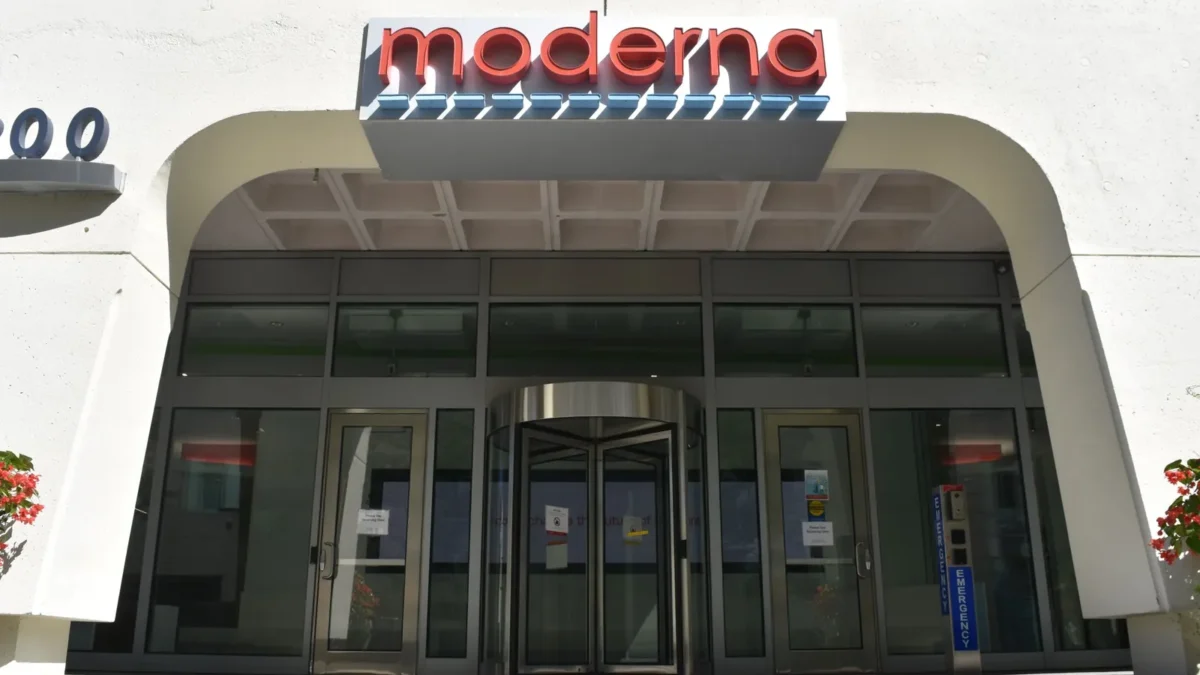
Moderna mRNA flu vaccine faces a setback as the FDA refuses to review its application, citing inconsistencies with prior communications.
• FDA refuses to review Moderna’s mRNA flu vaccine.
• Decision impacts regulatory pathway and market entry.
• Moderna claims inconsistency with prior FDA guidance.
Regulatory Setback
The U.S. Food and Drug Administration (FDA) has refused to review Moderna’s application for its mRNA-based influenza vaccine. This decision, announced by top vaccine regulator Vinay Prasad, has been described by Moderna as “inconsistent” with previous communications from the FDA. The refusal represents a significant setback for Moderna, which has been seeking to expand its mRNA technology beyond COVID-19 vaccines. The company had anticipated a smoother regulatory pathway based on earlier guidance from the FDA.
Moderna’s mRNA flu vaccine was expected to be a key addition to its portfolio, leveraging the same technology used in its successful COVID-19 vaccine. However, the FDA’s refusal to file the application means that the vaccine will face delays in entering the market. This decision could impact Moderna’s strategic plans and its position in the competitive influenza vaccine market.
Market Implications
The refusal to review Moderna’s mRNA flu vaccine application could have broader implications for the company’s market strategy. The influenza vaccine market is highly competitive, with established players like Sanofi and GlaxoSmithKline dominating the space. Moderna’s entry into this market was seen as a potential disruptor, given the success of its mRNA technology in other areas.
Analysts have noted that the delay could affect Moderna’s revenue projections for the coming years. The company had projected significant sales from its flu vaccine, which would have contributed to its overall growth strategy. The FDA’s decision may also influence investor sentiment, as regulatory approvals are critical for maintaining confidence in biotech companies.
Future Prospects
Despite the setback, Moderna remains committed to advancing its mRNA technology across various therapeutic areas. The company is expected to engage with the FDA to address the issues raised in the refusal and resubmit its application. Moderna’s CEO has emphasized the importance of maintaining a strong pipeline and continuing innovation in mRNA therapeutics.
The broader implications of this decision highlight the challenges biotech companies face in navigating regulatory pathways. As Moderna works to resolve these issues, it will be crucial for the company to maintain transparency with investors and stakeholders. For more updates on Regulatory & Approvals, visit our Regulatory & Approvals section.