
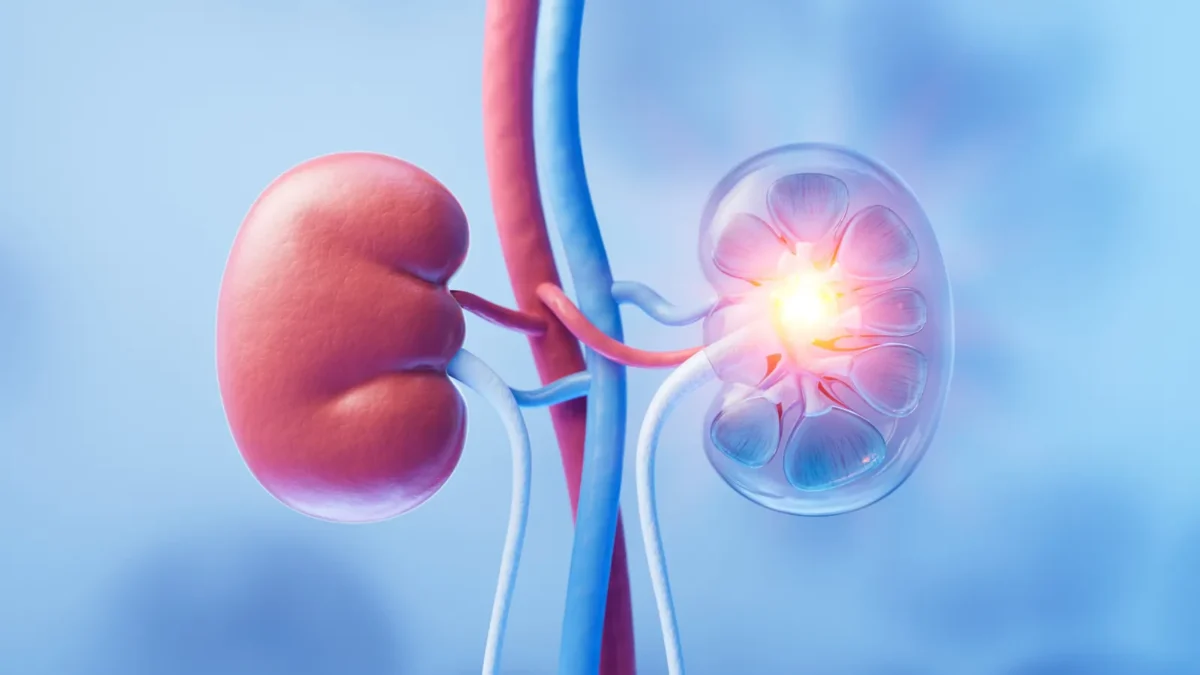
Lilly CSL $100M deal involves licensing a monoclonal antibody targeting IL-6, with CSL retaining rights for end-stage kidney disease.
• Lilly pays $100M to CSL for antibody license.
• CSL retains rights for end-stage kidney disease.
• Deal expands Lilly’s pipeline in immunology.
Strategic Shift
Eli Lilly and Company has entered into a significant licensing agreement with CSL Limited, an Australian biotechnology firm, involving a payment of $100 million. This deal grants Lilly the rights to a monoclonal antibody targeting interleukin-6 (IL-6), a cytokine involved in inflammatory responses. The agreement allows Lilly to explore various therapeutic applications of the antibody, while CSL retains the rights for its use in treating end-stage kidney disease, currently under investigation in a Phase 3 clinical trial. This strategic move by Lilly aims to bolster its immunology pipeline and expand its therapeutic offerings. For more details, visit the source article.
Market Context
The global market for monoclonal antibodies is projected to grow significantly, driven by increasing demand for targeted therapies in various diseases. IL-6 is a well-known target in the treatment of autoimmune and inflammatory conditions, making this deal particularly relevant. Lilly’s acquisition of the antibody rights positions it to compete more effectively in the immunology sector, where it faces competition from other major pharmaceutical companies such as Roche and Sanofi. The retention of rights by CSL for end-stage kidney disease indicates a focused strategy to address specific unmet medical needs.
Pipeline Expansion
Lilly’s decision to license this monoclonal antibody aligns with its broader strategy to enhance its portfolio in immunology. The company has been actively seeking opportunities to expand its pipeline through strategic partnerships and acquisitions. This deal with CSL is expected to provide Lilly with a competitive edge in developing new treatments for inflammatory diseases. The ongoing Phase 3 trial by CSL will provide critical data on the efficacy of the antibody in treating end-stage kidney disease, potentially opening new avenues for collaboration between the two companies.
Financial Considerations
The $100 million payment by Lilly reflects the high value placed on innovative biologics that can address significant medical needs. This investment is part of Lilly’s broader financial strategy to allocate resources towards high-potential assets that can drive future growth. Analysts have noted that such deals are crucial for maintaining a competitive pipeline in the rapidly evolving pharmaceutical landscape. The financial terms of the agreement underscore the importance of strategic licensing deals in achieving long-term business objectives.
Regulatory Pathway
The regulatory pathway for the monoclonal antibody will involve rigorous evaluation by health authorities to ensure safety and efficacy. Lilly will likely leverage its extensive experience in navigating regulatory processes to expedite the development and approval of new indications for the antibody. The collaboration with CSL provides an opportunity to share insights and data that could facilitate regulatory approvals across different jurisdictions.
For more updates on M&A and Licensing, visit our M&A and Licensing section.