
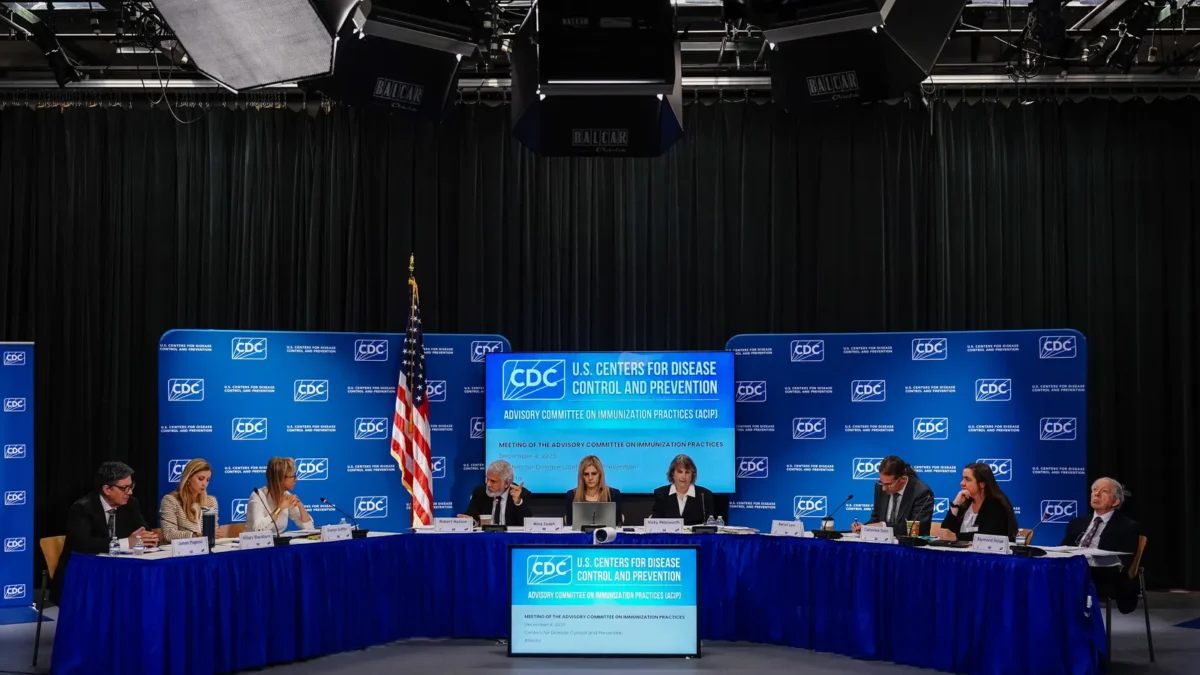
ACIP vaccine schedule is under review by a panel, following changes to the hepatitis B vaccine endorsement.
• ACIP reviews U.S. childhood vaccine schedule.
• Focus on hepatitis B and aluminum content.
• Potential impact on vaccination protocols.
Strategic Shift
The Advisory Committee on Immunization Practices (ACIP) has initiated a review of the U.S. childhood vaccine schedule. This follows a recent decision to weaken the endorsement for the hepatitis B vaccine. The panel, hand-picked by Robert F. Kennedy Jr., is examining the merits of the current protocol used to inoculate children against various infectious diseases. The review process is expected to consider several factors, including the aluminum content in vaccines, which has been a point of contention among some groups.
The ACIP’s decision to reassess the vaccine schedule comes at a time when public confidence in vaccines is crucial. The committee’s actions could have significant implications for public health policy and vaccination rates across the country. For more details, visit the source article.
Market Context
The U.S. childhood vaccine schedule is a critical component of public health strategy, aiming to protect children from preventable diseases. The current schedule includes vaccines for diseases such as measles, mumps, rubella, and hepatitis B. The inclusion of aluminum as an adjuvant in some vaccines has been debated due to concerns about potential side effects. However, scientific consensus generally supports its safety and efficacy in enhancing immune response.
The ongoing review by ACIP could lead to changes in the recommended vaccination timeline or the composition of certain vaccines. Such changes could affect manufacturers and healthcare providers, who may need to adjust their production and distribution strategies accordingly.
Regulatory Pathway
The ACIP’s review process involves evaluating existing scientific evidence and considering input from various stakeholders, including healthcare professionals, researchers, and public health officials. The committee’s recommendations are typically adopted by the Centers for Disease Control and Prevention (CDC) and can influence national vaccination policies.
Any changes to the vaccine schedule would require careful consideration of the potential benefits and risks. The ACIP’s deliberations are expected to be thorough, with a focus on maintaining high vaccination coverage while addressing any valid concerns raised during the review.
Competitive Dynamics
The vaccine market is highly competitive, with several major pharmaceutical companies involved in the production of childhood vaccines. Companies such as Pfizer, Merck, and GlaxoSmithKline are key players in this space. Any changes to the vaccine schedule could impact their market strategies and product offerings.
Moreover, the ongoing review may prompt other countries to reassess their own vaccination protocols, potentially leading to global shifts in vaccine policy. This could create opportunities for companies to innovate and develop new formulations that meet updated safety and efficacy standards.
Patient Impact
The outcome of the ACIP’s review could have significant implications for patients, particularly children who rely on vaccines for protection against infectious diseases. Ensuring that vaccines remain safe and effective is paramount to maintaining public trust in immunization programs.
Parents and caregivers may need to stay informed about any changes to the vaccine schedule and consult with healthcare providers to ensure their children receive appropriate vaccinations. For more insights on this topic, visit our Insights section.