
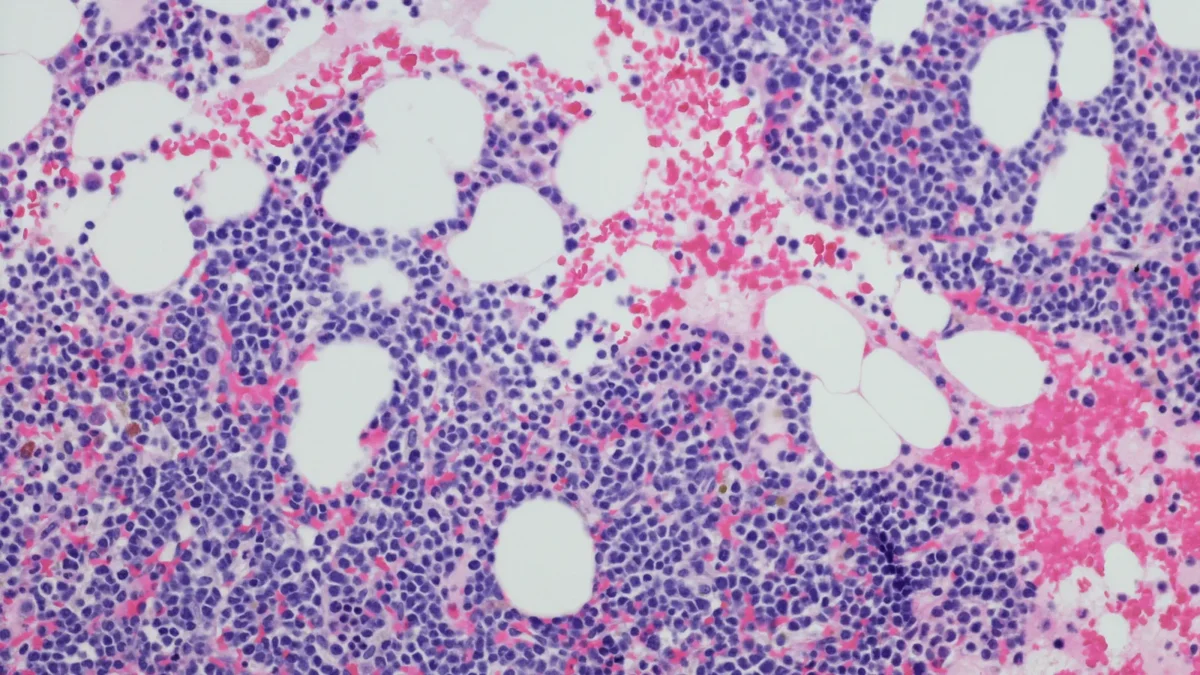
CellCentric raises $220M to advance its multiple myeloma drug through Phase 2 and Phase 3 trials, aiming to address persistent disease.
• CellCentric raises $220M in Series D funding.
• Funds support Phase 2 and planned Phase 3 trials.
• Targets persistent multiple myeloma with oral drug.
Strategic Shift
CellCentric has successfully raised $220 million in a Series D funding round led by Venrock. This significant capital injection will support the ongoing Phase 2 study and a planned Phase 3 trial of their oral drug, inobrodib, aimed at treating multiple myeloma. The company views this drug as a differentiated option for patients with persistent disease. The funding round underscores the confidence investors have in CellCentric’s approach to tackling this challenging condition. Read more about the funding round here.
Pipeline Expansion
The funds will be utilized to advance inobrodib through critical clinical stages. The ongoing Phase 2 trial is designed to evaluate the efficacy and safety of the drug in patients who have not responded adequately to existing treatments. The planned Phase 3 trial will further assess its potential as a new standard of care. CellCentric’s focus on an oral formulation offers a potentially more convenient treatment option compared to existing therapies, which often require intravenous administration.
Market Context
Multiple myeloma is a cancer of plasma cells that remains incurable, with a significant unmet need for new therapies. Current treatments include proteasome inhibitors, immunomodulatory drugs, and monoclonal antibodies. However, many patients eventually relapse or become resistant to these therapies. Inobrodib aims to fill this gap by offering a novel mechanism of action that could improve outcomes for patients with persistent disease.
Competitive Dynamics
The multiple myeloma treatment landscape is competitive, with several companies developing new therapies. Notable competitors include Amgen, Bristol Myers Squibb, and Johnson & Johnson, all of which have established drugs in the market. CellCentric’s approach with inobrodib could provide a competitive edge due to its oral administration and potential efficacy in resistant cases.
Investor Perspective
Investors are optimistic about CellCentric’s prospects, given the promising early data from the Phase 2 trial. The company’s ability to secure substantial funding reflects confidence in its strategy and the potential market impact of inobrodib. Analysts predict that if successful, the drug could capture a significant share of the multiple myeloma market, which is projected to grow substantially over the next decade.
For more updates on Clinical Trials & R&D, visit our Clinical Trials & R&D section.