
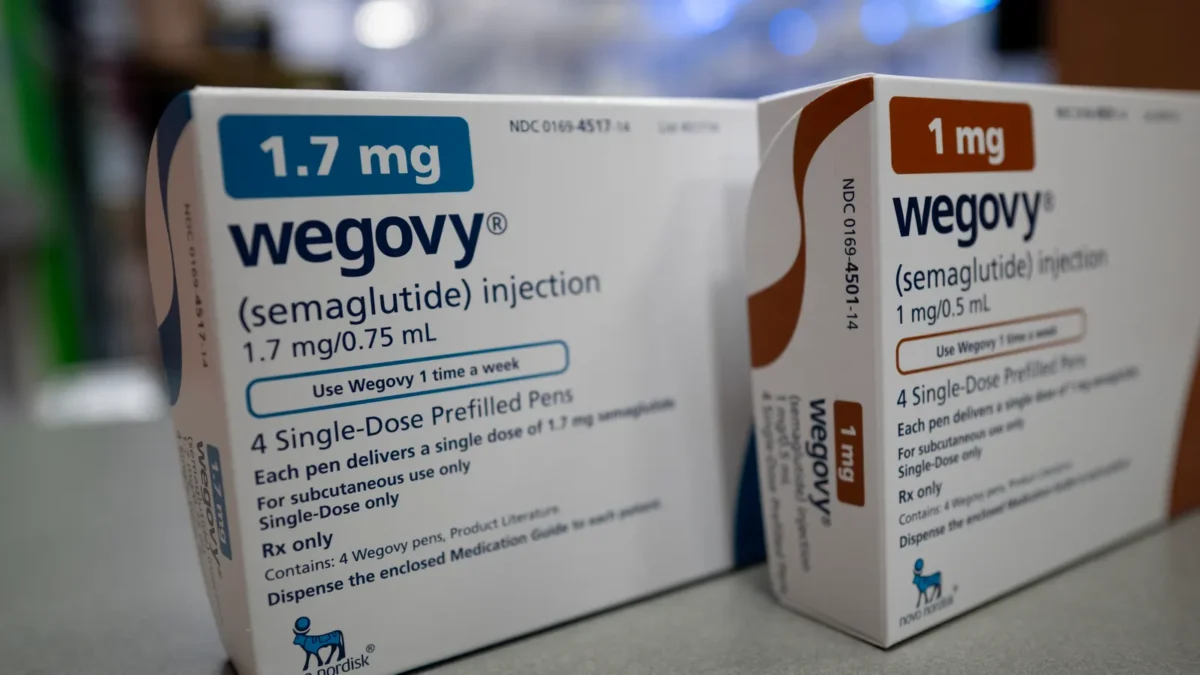
Medicare price negotiation reduces spending by 44% for Wegovy, Trelegy, and 13 other drugs, impacting 2027 prices.
• CMS sets 2027 prices for Wegovy, Trelegy, and 13 drugs.
• Negotiations cut spending by 44% over 2024 list prices.
• Affects Medicare’s control over drug pricing and market.
Strategic Shift
The Centers for Medicare & Medicaid Services (CMS) has announced the finalized prices for a selection of drugs, including Wegovy and Trelegy, as part of its ongoing Medicare price negotiation efforts. This initiative aims to reduce overall spending by an aggregate of 44% compared to the list prices in 2024. The decision marks a significant step in the federal government’s strategy to exert more control over drug pricing. The new prices will take effect in 2027, impacting a total of 15 drugs. For more details, visit the source article.
Market Context
The Medicare price negotiation process is part of a broader effort to manage healthcare costs in the United States. By targeting high-cost medications, CMS aims to alleviate financial burdens on both the healthcare system and patients. The inclusion of popular drugs like Wegovy, used for weight management, and Trelegy, prescribed for chronic obstructive pulmonary disease (COPD), highlights the focus on medications with significant market impact. The negotiations are expected to influence pricing strategies across the pharmaceutical industry.
Pipeline Expansion
The impact of these negotiations extends beyond immediate cost savings. Pharmaceutical companies may need to adjust their pipeline strategies to accommodate potential pricing pressures. As CMS continues to expand its list of negotiated drugs, companies will likely face increased scrutiny over pricing practices. This could lead to shifts in research and development priorities, as firms seek to balance innovation with affordability.
Financial Considerations
The financial implications of the Medicare price negotiation are substantial. By reducing spending on key drugs by nearly half, CMS aims to redirect resources towards other healthcare needs. This move is expected to generate significant savings for Medicare, potentially influencing future budget allocations. However, the reduced revenue for pharmaceutical companies may impact their financial performance and investment strategies.
Regulatory Pathway
The regulatory framework surrounding Medicare price negotiation is evolving. As CMS continues to refine its approach, stakeholders are closely monitoring potential changes in policy and implementation. The success of this initiative could pave the way for further regulatory actions aimed at controlling drug costs. Industry observers are keenly watching how these developments will shape the future landscape of pharmaceutical pricing.
Competitive Dynamics
The inclusion of Wegovy and Trelegy in the Medicare price negotiation highlights the competitive dynamics within the pharmaceutical industry. Companies with similar products may face increased pressure to adjust their pricing strategies to remain competitive. This could lead to a ripple effect across the market, as firms strive to maintain their market share while adhering to new pricing guidelines.
Global Implications
The outcomes of the Medicare price negotiation process may have global implications. As the United States exerts greater control over drug pricing, other countries may look to adopt similar measures. This could lead to a shift in global pricing strategies, as pharmaceutical companies navigate an increasingly complex regulatory environment. The long-term effects on international markets remain to be seen.
For more updates on Market Access, visit our Market Access section.